Back to Dog Grooming Tips & Advice
Why Won't My Dog Let Me Brush Them? Building Positive Grooming Habits at Home
Does your dog hate being brushed? Learn why dogs resist grooming at home and how to build calm, positive brushing habits step by step.
If reaching for the brush sends your dog running under the table, you are far from alone. Brushing resistance is one of the most common frustrations owners have — and it matters, because regular home brushing is what keeps a coat healthy between professional grooms.
The good news is that most brushing problems have a cause you can fix. Here is why dogs resist, and how to build a calm, positive routine step by step.
Why dogs resist being brushed
- It hurts. This is the biggest one. Brushing over mats and tangles pulls on the skin, and a dog that has been hurt once will resist next time.
- The wrong tool. A brush that does not suit the coat either does nothing or digs into the skin. Both teach your dog that brushing is pointless or unpleasant.
- Sensitive areas. Most dogs dislike having their feet, face, tail, and belly handled far more than their back.
- Too much, too soon. A long session with a dog who has no positive association is a lot to ask.
- Your energy. If you are tense and rushing, your dog reads it immediately and braces for something unpleasant.
Start by ruling out pain
Before anything else, check whether the coat itself is the problem. Run your fingers through it — if you find tight knots close to the skin, brushing will hurt no matter how gentle you are, and no amount of training will fix that. Mats need dealing with professionally first. Our guide on the hidden health risks of matted fur explains why forcing a brush through them causes real pain. If your dog suddenly resists being touched somewhere they never minded before, it is worth a vet check to rule out soreness or injury.
Use the right brush for the coat
Matching the tool to the coat makes an enormous difference:
- Curly and wavy coats (Cockapoos, Poodles) — a slicker brush followed by a comb to check you have reached the skin.
- Long coats (Shih Tzus) — a slicker and a wide-toothed comb, working in sections.
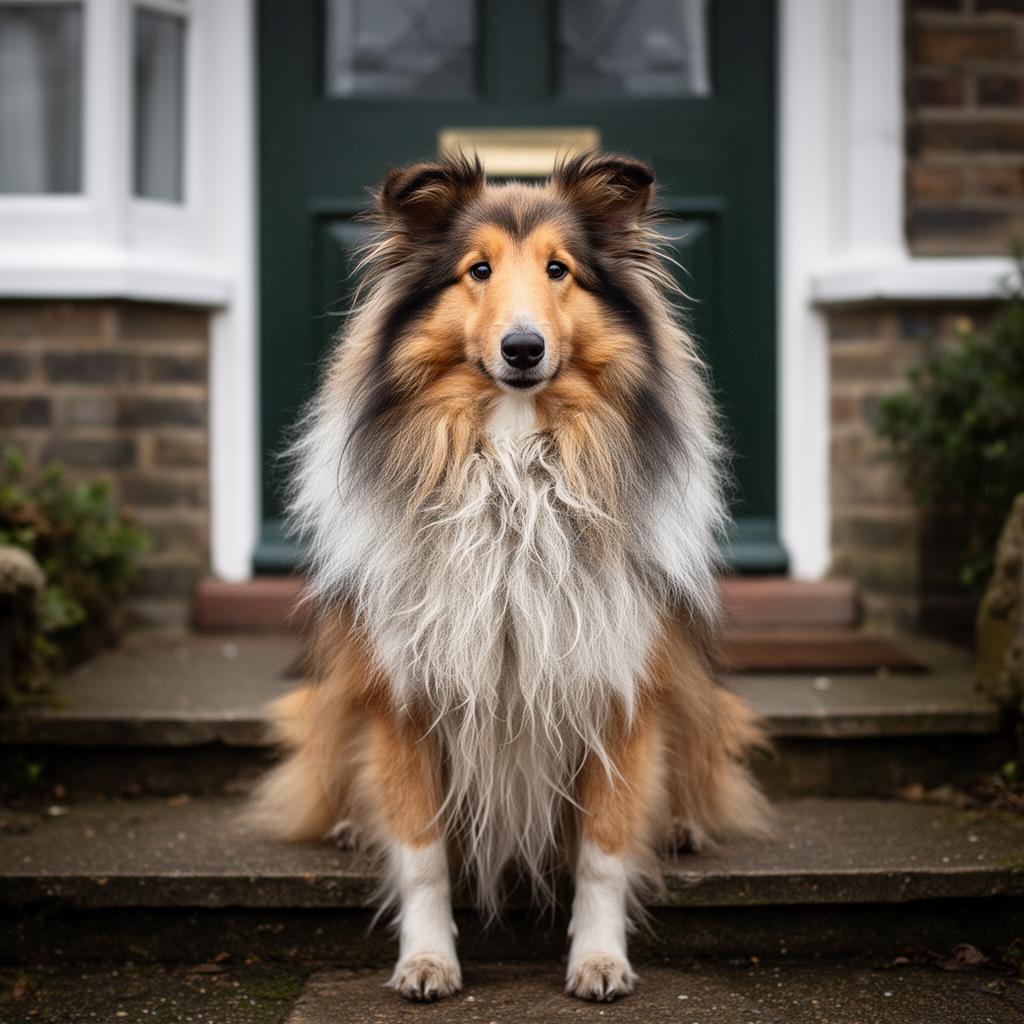
- Double coats (Retrievers, Collies) — an undercoat rake to reach the dense layer beneath.
- Short smooth coats (Labs, Staffies) — a rubber grooming mitt or bristle brush.
Building a positive routine, step by step
- ✓ Start with the brush, not the brushing. Let your dog sniff it, reward them, put it away. Repeat over a few days.
- ✓ Begin where they like being touched. Usually the shoulders or back — not the feet or face.
- ✓ Keep it short. Thirty seconds ending well beats ten minutes ending badly.
- ✓ Pair it with something good. Treats during, not just after, change the association.
- ✓ Stop before they ask you to. Ending on a calm note is the whole game.
- ✓ Build up the tricky areas slowly — feet, face, and tail come last, once the easy areas are relaxed.
Frequency helps too. Little and often is far easier on a dog than one long session a fortnight — and it stops mats forming in the first place, which is what causes the pain that starts the whole cycle.
What if it is still a battle?
Some dogs need more time and patience, and that is fine — it is not a failure on your part. Keep the sessions short and positive, and let your groomer handle the areas your dog finds hardest. A calm, one-to-one professional groom also helps enormously, because a groomer works with dogs who dislike handling every day. Our guide on mobile grooming for anxious dogs explains that approach, and if your dog needs extra patience, our Nervous / Elderly Dogs add-on is built for exactly that.
FAQs
Helpful pages: